
The entertainment industry has long been dominated by big studios, networks, and production houses. For decades, these organizations controlled which movies, shows, and music reached the public. However, a major shift is happening. Independent creators—individuals producing content on their own or in small teams—are gaining influence and reshaping the way entertainment is made and consumed.
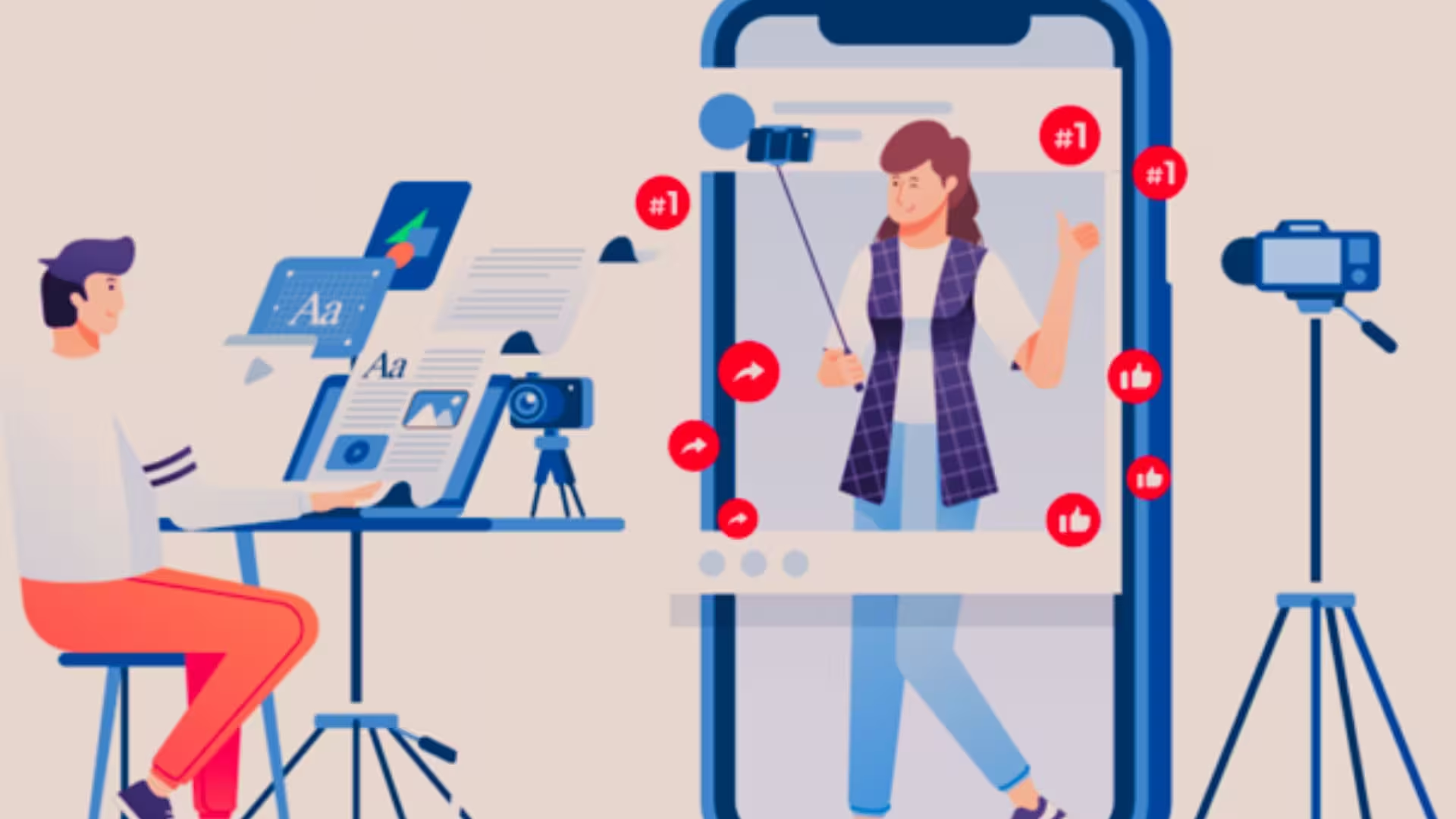
Technology Empowering Creators
The rise of independent creators is largely driven by technology. Affordable cameras, smartphones, and editing software have lowered the barrier to entry for creating professional-quality content. Platforms like YouTube, TikTok, Instagram, and Patreon allow creators to reach millions of people directly, without relying on traditional studios.
This technological shift has made it easier for storytellers, musicians, filmmakers, and digital artists to produce content independently. From short videos to full-length films, independent creators can now showcase their work to global audiences instantly.
Direct Audience Engagement
Unlike traditional media, independent creators interact directly with their fans. Social media allows audiences to comment, like, and share content instantly. This interaction builds a stronger connection between creators and their followers, fostering loyalty and community.
Platforms enable creators to understand what their audience enjoys, tailoring content to meet demand. Some creators even use sites like voyeusesur to reach niche audiences, showing that independent content can thrive in specialized spaces beyond mainstream platforms.
Financial Independence and Monetization
Monetization is another key factor fueling the rise of independent creators. Crowdfunding, subscription services, sponsorships, and merchandise sales allow creators to earn revenue without traditional intermediaries. Platforms like Patreon or Ko-fi give fans the opportunity to directly support the content they love, creating a sustainable income stream for creators.
This financial independence also gives creators creative freedom. Without the pressure of studio executives or advertisers, independent creators can experiment with new formats, explore unique stories, and produce content that reflects their personal vision.
Diversifying Entertainment
Independent creators are diversifying entertainment in ways traditional media often cannot. They tackle niche subjects, address underrepresented communities, and explore experimental storytelling methods. This diversity enriches the entertainment landscape and gives audiences options beyond mainstream content.
For viewers, this means access to fresh voices and unique perspectives. Audiences no longer have to wait for studios to approve content—they can discover independent films, music, and web series tailored to their interests.
Challenges Faced by Independent Creators
Despite the opportunities, independent creators face challenges. Competition is fierce, and standing out in a crowded digital space requires skill, marketing, and persistence. Creators must also manage multiple roles, including production, promotion, and audience engagement, which can be overwhelming.
Financial uncertainty is another concern. While some creators earn substantial incomes, many struggle to sustain themselves solely through independent work. Balancing passion projects with monetizable content is often a delicate task.
Collaboration and Community
Many independent creators are finding strength in collaboration. Online communities, creator collectives, and co-production networks allow individuals to share resources, expertise, and audiences. Collaboration not only reduces costs but also enhances creativity and exposure.
These networks are also instrumental in navigating challenges, from technical skills to promotion strategies. The sense of community supports creators emotionally and professionally, making the independent path more viable.
You Can Also Read: social-media-celebrity-culture
Impact on Traditional Media
The rise of independent creators is influencing traditional media as well. Studios and networks are now scouting online platforms for fresh talent and viral content. Some creators transition from online platforms to mainstream entertainment, bridging the gap between independent and traditional media.
Additionally, the success of independent creators pushes established media to innovate and adapt. Audiences now expect more diverse, authentic, and interactive content, prompting traditional media to rethink its approach.
Conclusion
The rise of independent creators is transforming the entertainment industry. With technology, direct audience engagement, and new monetization models, creators can build careers outside traditional media structures. They bring diversity, innovation, and fresh perspectives to entertainment, challenging old norms and offering audiences new ways to engage.
Platforms like voyeusesur demonstrate that niche and independent content can thrive alongside mainstream media, proving that the future of entertainment is more open and accessible than ever.
Independent creators are not just supplementing traditional media—they are shaping the future of entertainment, giving audiences the content they want, and redefining what it means to be a creator in the digital age.