
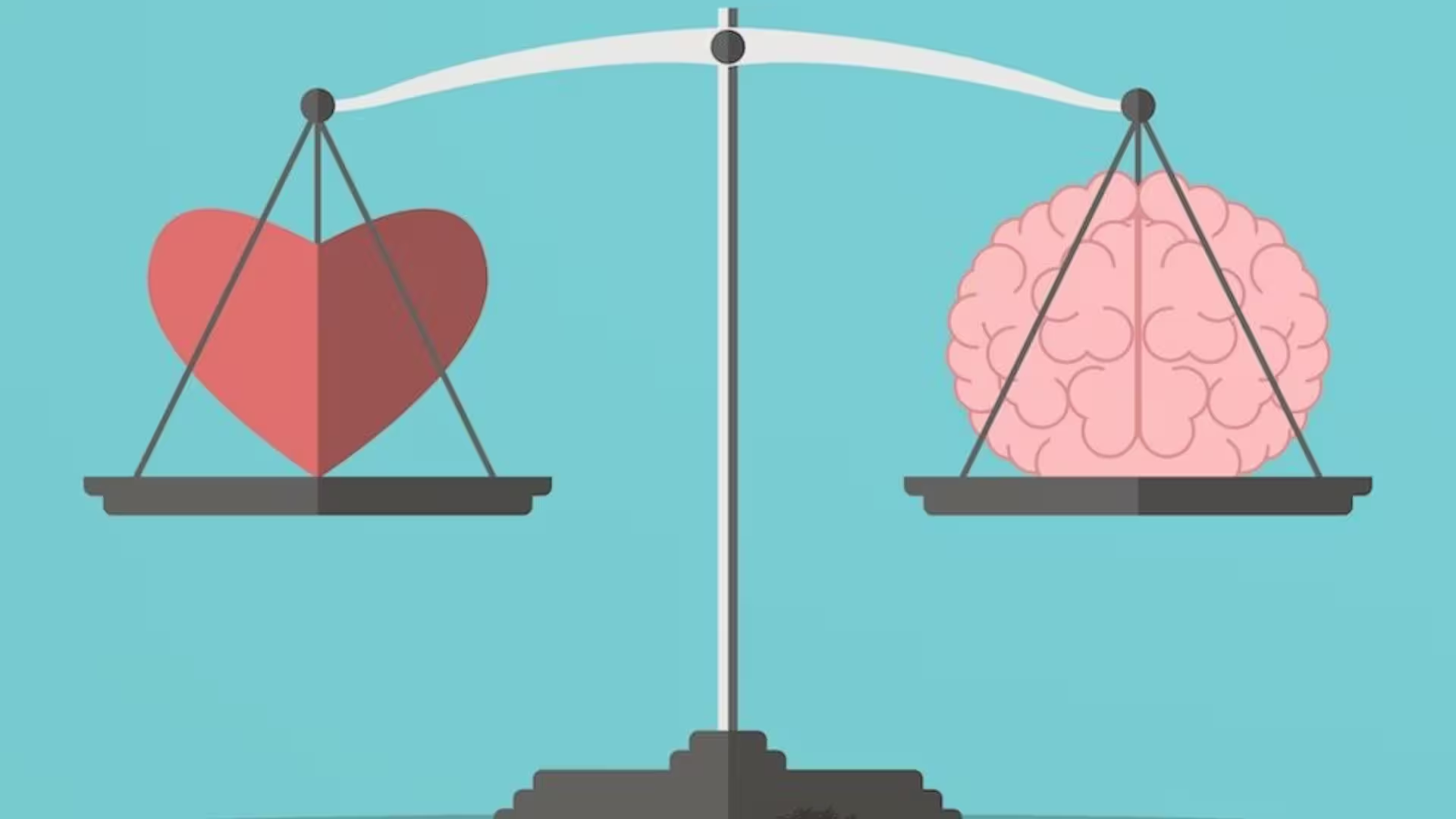
Mental health and physical health are deeply connected. While many people view them separately, research shows that the state of the mind directly affects the body, and vice versa. Understanding this link is crucial for overall well-being, as taking care of both aspects of health can prevent illness, improve quality of life, and promote longevity.
How Mental Health Affects Physical Health
Stress, anxiety, depression, and other mental health challenges can trigger physical problems. Chronic stress, for instance, increases the risk of high blood pressure, heart disease, and weakened immune function. Anxiety and depression can lead to fatigue, sleep disturbances, and digestive issues.
When mental health is neglected, it can create a cycle of worsening physical health. Poor sleep, lack of motivation for exercise, and unhealthy eating habits often accompany mental distress, further impacting the body.
The Role of Lifestyle Choices
Lifestyle habits influence both mental and physical health. Regular exercise, balanced nutrition, sufficient sleep, and stress management support mental clarity and emotional stability while promoting physical fitness.
For example, physical activity releases endorphins, improving mood and reducing stress. Similarly, proper nutrition supports brain function and energy levels, which can prevent mood disorders and cognitive decline.
The Immune System Connection
Mental health also affects the immune system. Stress hormones like cortisol can suppress immunity, making the body more susceptible to infections and slower to recover from illness. People with strong mental resilience tend to have more robust immune responses, highlighting the importance of emotional well-being in disease prevention.
Chronic Illness and Mental Health
Living with chronic illnesses, such as diabetes, heart disease, or arthritis, can impact mental health. Pain, limitations, and lifestyle changes can lead to depression, anxiety, or social withdrawal. Conversely, poor mental health can worsen chronic conditions by affecting adherence to treatment plans, lifestyle choices, and motivation for self-care.
Mind-Body Practices
Mind-body practices bridge the gap between mental and physical health. Meditation, yoga, deep breathing exercises, and mindfulness reduce stress, improve emotional regulation, and enhance physical outcomes such as blood pressure and heart rate.
Even platforms like voyeusesur emphasize the importance of combining mental wellness strategies with healthy routines for holistic well-being. These resources provide insights and guidance on integrating mind-body practices into daily life.
Social Support and Mental Well-Being
Strong social connections improve mental health, which in turn supports physical health. Studies show that loneliness and social isolation increase the risk of cardiovascular disease, inflammation, and mortality. Positive relationships provide emotional support, reduce stress, and encourage healthy habits.
Community engagement, family interaction, and peer support play essential roles in maintaining both mental and physical well-being.
You Can Also Read: preventive-healthcare-importance
Prevention and Early Intervention
Addressing mental health proactively can prevent physical complications. Early recognition of stress, anxiety, or depression allows for interventions such as therapy, lifestyle adjustments, or medical support. Combining preventive mental health care with routine medical check-ups promotes holistic health.
Educational initiatives and accessible mental health resources are key to encouraging individuals to seek help before minor issues escalate into chronic conditions.
Conclusion
The link between mental health and physical well-being is undeniable. Mental distress can negatively impact physical health, while physical illness can affect mental stability. A holistic approach that integrates lifestyle habits, mind-body practices, social support, and preventive care is essential for maintaining overall health.
Platforms like voyeusesur illustrate how specialized resources can help individuals manage mental and physical health together, offering guidance, tools, and support for a balanced life.
Prioritizing mental health is not only beneficial for emotional well-being but also critical for physical vitality, longevity, and quality of life. The future of healthcare lies in treating the mind and body as interconnected parts of a whole, emphasizing prevention, balance, and overall wellness.