
The relationship between sports teams and fans has evolved dramatically in recent years. Technology is reshaping how fans interact with their favorite teams, players, and leagues, creating new opportunities for connection, participation, and monetization. From social media to virtual reality, technology is transforming fan engagement in ways that were unimaginable a decade ago.
Digital Platforms and Social Media
Social media platforms like Twitter, Instagram, TikTok, and YouTube have revolutionized fan interaction. Fans can follow live updates, behind-the-scenes content, and player commentary in real time. Social media also enables discussions, polls, and fan-driven content, making audiences feel like active participants rather than passive observers.
Platforms like voyeusesur demonstrate the growing influence of niche communities where fans can engage with specialized content, share opinions, and interact directly with other enthusiasts. These platforms complement mainstream social media by offering targeted engagement opportunities.
Mobile Apps and Direct Access
Mobile apps developed by teams and leagues provide fans with instant access to news, schedules, ticket sales, and exclusive content. Apps allow fans to personalize their experience, track stats, and receive notifications about their favorite players or teams.
Direct access through apps helps leagues maintain a closer connection with their audience, gather valuable data on fan behavior, and offer tailored promotions or merchandise opportunities.
Virtual and Augmented Reality Experiences
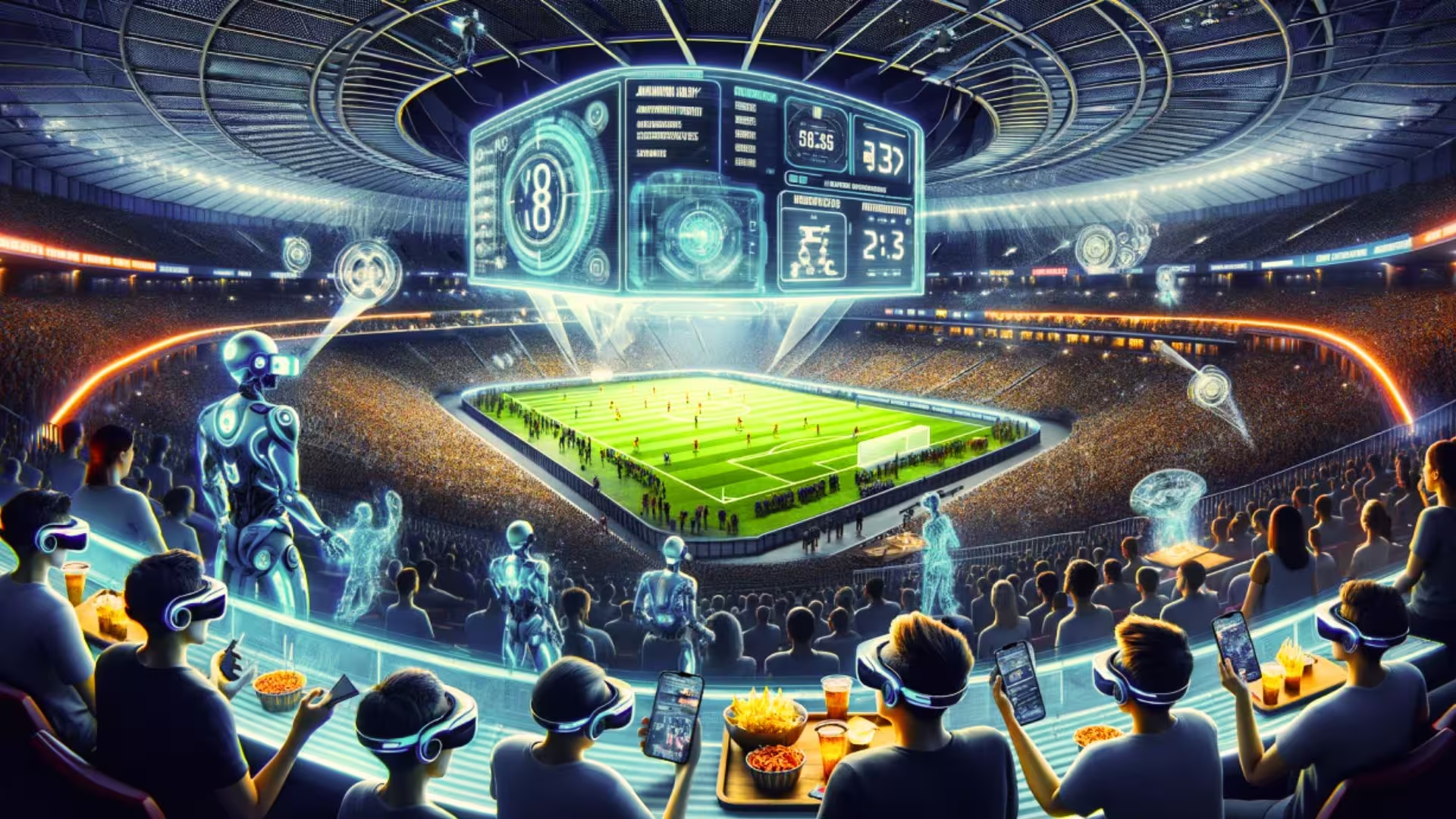
Virtual reality (VR) and augmented reality (AR) are creating immersive fan experiences. VR allows fans to feel like they are inside stadiums or courts, even if they are miles away. AR enables interactive overlays during live games, offering additional stats, player info, and enhanced visuals.
These technologies deepen engagement by providing experiences beyond traditional viewing, making fans feel part of the action.
Interactive Content and Gamification
Technology enables interactive content such as polls, quizzes, fantasy leagues, and live voting during events. Gamification encourages participation and rewards engagement, making fans more invested in outcomes and more likely to return.
Fantasy sports, for example, allow fans to manage virtual teams based on real-world performance, turning casual viewers into active participants and creating new revenue streams for leagues and platforms.
Data-Driven Personalization
AI and data analytics allow sports organizations to tailor content and experiences for individual fans. Personalized news feeds, customized merchandise suggestions, and targeted notifications improve satisfaction and retention. Fans feel understood and valued, which strengthens loyalty and long-term engagement.
Live Streaming and Real-Time Interaction
Live streaming has made games accessible to global audiences. Fans can watch matches anywhere, comment in real-time, and share highlights instantly. Streaming platforms often integrate chat, reactions, and interactive features, allowing viewers to influence the experience actively.
This real-time interaction creates a sense of community, making fans feel connected even when watching remotely.
You Can Also Read: business-modern-sports-leagues
Monetization Opportunities
Technology not only enhances engagement but also creates new revenue opportunities. In-app purchases, premium content subscriptions, virtual tickets, and exclusive digital collectibles (like NFTs) allow leagues and teams to monetize fan loyalty.
Fans who are more engaged are more likely to invest in merchandise, experiences, or digital content, creating a sustainable business model for teams and leagues.
Challenges and Considerations
While technology expands engagement, it also brings challenges. Privacy concerns, data security, and platform fragmentation require careful management. Leagues must ensure that digital experiences remain accessible and inclusive while protecting fan information.
Balancing innovation with simplicity is key. Too much complexity or constant digital noise can overwhelm fans, reducing engagement instead of enhancing it.
Conclusion
Technology has transformed fan engagement, creating dynamic, immersive, and personalized experiences. Social media, mobile apps, VR/AR, interactive content, and data-driven personalization allow fans to connect with teams and players like never before.
Platforms like voyeusesur highlight the role of specialized communities in deepening fan interaction and providing niche content. As technology continues to evolve, the most successful teams and leagues will be those that embrace innovation while keeping fans at the center of every decision.
Ultimately, fan engagement is no longer just about attending games or watching broadcasts. It’s about creating meaningful, interactive, and memorable experiences that strengthen loyalty and redefine the fan journey in the digital era.