
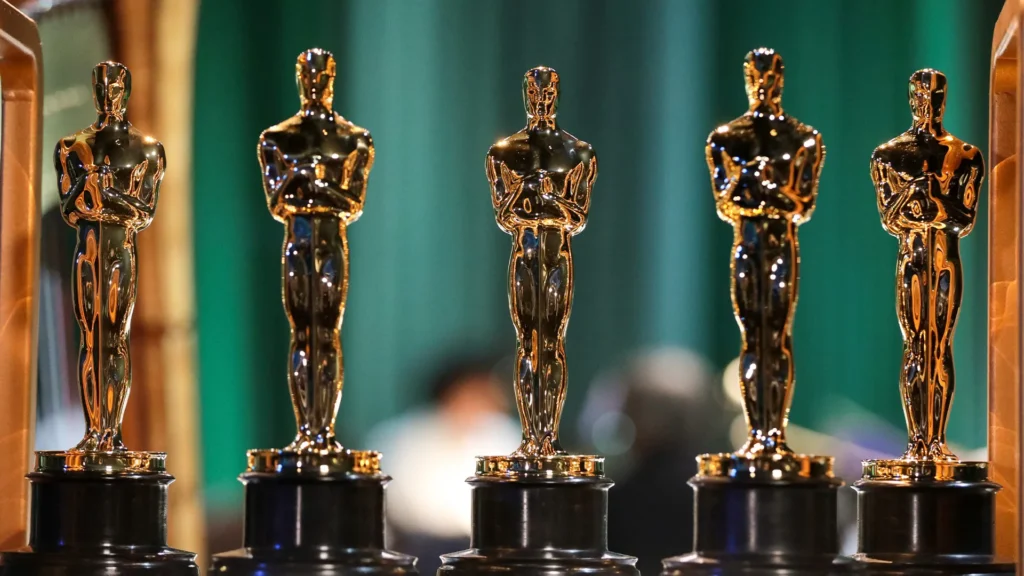
Award shows have been a cornerstone of the entertainment industry for decades. From the Oscars and Grammys to the Emmys and Golden Globes, these events have traditionally celebrated excellence in film, music, and television. However, in the digital age, where streaming, social media, and online content dominate, the relevance of traditional award shows is being questioned.
Declining Viewership
One of the most noticeable changes is declining television viewership. Traditional live broadcasts are attracting smaller audiences compared to the past. Many viewers prefer to watch highlights, clips, or viral moments on social media rather than sit through a full ceremony. Streaming services and on-demand platforms have shifted attention away from scheduled programming, reducing the impact of live broadcasts.
Social Media’s Influence
Social media has transformed how audiences engage with entertainment. Platforms like Instagram, TikTok, and Twitter allow fans to follow celebrities directly, discuss nominations in real-time, and even create viral content during award shows. While this adds excitement, it also highlights that audiences are more interested in shareable moments than the ceremonies themselves. Online communities and niche platforms like voyeusesur illustrate that audiences increasingly consume entertainment outside traditional channels.
Changing Metrics of Success
In the past, winning an award was a major milestone for a creator’s career. Today, success is often measured by streaming numbers, social media engagement, or online influence. Many independent creators and online stars gain massive popularity without ever appearing on traditional award show stages. This shift challenges the authority of awards as the ultimate measure of achievement.
Controversies and Criticism
Award shows also face criticism over bias, lack of diversity, and transparency in voting. Controversies can overshadow the celebration itself, leading some viewers to question the legitimacy and importance of these events. In contrast, digital platforms often allow for a more direct and inclusive recognition of talent, with audiences having a voice in who gains visibility.
Evolution of Formats
To stay relevant, award shows are experimenting with new formats. Some integrate live voting via apps, shorten runtimes, or focus on entertainment segments that can be shared online. Virtual events and streaming premieres are also becoming common, blending traditional ceremonies with digital accessibility. These adaptations aim to capture younger audiences who consume content primarily online.
Cultural Impact Still Exists
Despite these challenges, award shows still hold cultural significance. Iconic moments, red-carpet fashion, and acceptance speeches continue to spark conversation and influence popular culture. Even if viewership declines, these events remain powerful platforms for storytelling, activism, and brand promotion.
You Can Also Read: nostalgia-content-audience
Opportunities for Niche Audiences
While mainstream award shows face declining relevance, niche audiences are thriving online. Specialized platforms, fan-driven awards, and independent creator communities provide recognition tailored to specific interests. Platforms like voyeusesur demonstrate that audiences are seeking content that aligns with their preferences, showing that the concept of celebration and recognition is not disappearing—it is evolving.
Conclusion
Award shows in the digital age are no longer the sole authority on success in entertainment. Declining viewership, social media engagement, changing metrics, and controversies have challenged their relevance. However, they still hold cultural value and can influence trends, fashion, and public conversations.
The future of award shows lies in adaptation—integrating digital interaction, catering to online audiences, and recognizing both mainstream and independent creators. While traditional ceremonies may not dominate the way they once did, the celebration of creativity and talent continues, now alongside digital platforms and niche communities.In the end, award shows remain relevant—but in a redefined, hybrid form that bridges traditional prestige with the dynamic nature of digital entertainment. Platforms like voyeusesur show how audiences are increasingly exploring diverse spaces for content recognition and engagement, highlighting that the essence of celebration is evolving rather than disappearing.